
 Your Account
 Email Sign-Up
 Buy Annual Pass

Earth Day is Every Day in Your Metroparks
4.22.2026
By Erin Parker, Interpretive Services Supervisor
The first Earth Day launched on April 22, 1970, and has been celebrated in a variety of ways every year since its inauguration, becoming a worldwide event that focuses on ways that all of us can support a cleaner, healthier Earth.
The Metroparks take Earth Day seriously with a variety of events to clean up trash, remove non-indigenous plant species, and generally celebrate the green and blue spaces that benefit all of us here in southeastern Michigan. But truly, we think Earth Day is every day in your Metroparks and invite visitors to do their part, too.
Keep it clean
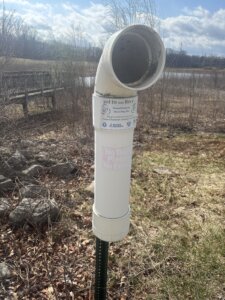
Trash and litter are difficult problems to solve. Plastic bottles and bags blow in the wind, wrappers fall out of pockets, people don’t always clean up after their dogs, and sometimes garbage is just left behind at the end of a busy day enjoying the park. While the problem is tough, the solution is simple. Recycling containers, trash bins, fishing line disposal tubes, pet waste bags, and even special containers for hot coal make everyone’s time at the Metroparks a little nicer.
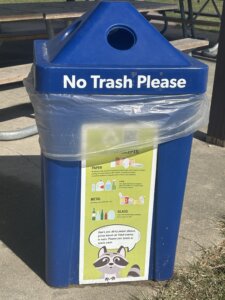
The easiest way to reduce waste is to prevent it from being left behind in the first place. In order to actually recycle paper, aluminum cans, glass, plastic bottles, and cardboard, these items (empty of food and liquid) need to get into the recycling containers. Because we recognize that it can be difficult to know what items are accepted for recycling, the bins throughout the Metroparks are labeled. Just look for the raccoon and add those approved items to those designated containers.
Anything else, including items that are contaminated with food or grease from food, can go straight into the trash cans. Making sure that food wrappers, takeout containers, and pizza boxes end up in the garbage reduces litter in the park and reduces negative interactions with wildlife. Human food and garbage aren’t healthy for the parks’ skunks, raccoons, and squirrels, and if they learn that your picnic means a tasty snack for them, they may get closer than you want them to be.
Another challenge is the amount of pet waste left behind alongside trails and roads. Pet waste can carry pests and disease, make someone else’s outdoor adventure a lot less pleasant, and it even washes into our waterways, impacting the water quality and health of wildlife, pets, and people in our parks.
Pet waste bags are found at most park trails. Pet owners are responsible for cleaning up after their dog and making sure that bagged waste ends up in garbage cans at the end of their park visit. Cleaning up after our pets makes visiting the parks a lot more paw-sitive for human, canine, and wildlife users!
Celebrate wildlife from a safe distance
Along with food and garbage being left behind and unintentionally attracting wildlife, it can be tempting to feed wildlife in the parks. This can lead to a variety of negative outcomes for people and animals.
First, wildlife is wild and may bite or scratch humans attempting to feed them. Secondly, while many people think that the food they provide is benefiting wildlife, it is often unsuitable and can cause illness. Third, animals that are used to being fed by people can become aggressive or unafraid of humans, increasing their risk of being hit by cars as they approach roadways and parking lots looking for handouts. Keeping wildlife wild falls on all of us. The less litter and food left out, the better. Injured, sick, and aggressive animals can become real challenges.
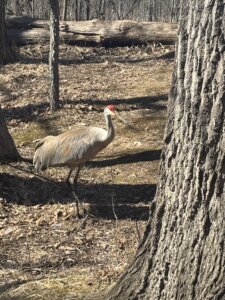
Celebrate wildlife from a safe distance, utilize tools such as binoculars (often available to borrow at our interpretive centers), and don’t be tempted to feed animals that you encounter.
Participate in an Earth Day Clean Up or Volunteer Workday
There are also many opportunities for visitors to make a positive difference in the Metroparks! Earth Day is a great time to participate in a cleanup or volunteer workday.
Look for Earth Day cleanup events at your closest park to help collect and sort trash and recycling. There are also a variety of volunteer workdays throughout the year that help remove non-indigenous plants from the parks. These are great ways to learn about the problematic plants in our region and benefit your Metroparks. Volunteer workdays take place every month and can be found here: https://www.metroparks.com/volunteering/#VOLUNTEER-WORKDAYS
Let’s make 2026 the year we all celebrate Earth Day every day, because all of our small actions add up to cleaner, healthier, safer parks for visitors and wildlife alike!
 YOUR ACCOUNT