
 Your Account
 Email Sign-Up
 Buy Annual Pass

12 Months of the Metroparks: June
6.3.2026
By Erin Parker, Interpretive Services Supervisor
June in the Metroparks is a busy month for people and wildlife. From fawns to butterflies, goslings to wildflowers in bloom, June is the perfect time to get outside and explore!
Keeping wildlife wild
June is the peak season for baby animals. Groundhogs, skunks, sandhills cranes, eagles, osprey, deer, coyotes, opossums, raccoons….the list of animals living and growing in your Metroparks is nearly endless. And while they often look both cute and helpless, in general, wildlife should be left alone, and those babies are going through important developmental stages.
Baby songbirds leave their nests as fledglings before they can truly fly, with parents feeding them and keeping watch over them. While this period of time, usually a few days, is risky, unless there are immediate threats such as busy roads or dogs, these babies should be left to their parents’ care. They’ll soon grow in their remaining feathers and begin to take short, hopping flights.
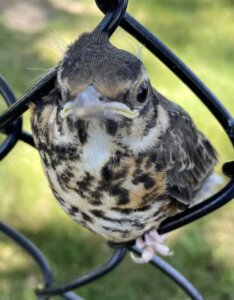
Along with birds, a variety of Michigan mammals have babies, which can be adorable to encounter from a safe distance. When animals (including birds) are changing their behavior because of human proximity, we know we’re too close.
Many mammals, including deer and raccoons, have habits that strike human observers as potentially dangerous. Deer mothers leave their young fawns during the day, typically for 8-12 hours or more, while they forage and rest. They return to their young in the late evening. This is normal and healthy behavior for deer, even if it seems strange to humans! Interfering can cause big problems, including spooking the fawn so that it runs from its secure hiding place and can’t reunite with its mother (and sole food source) is one. Watching these babies from a safe distance is critical!
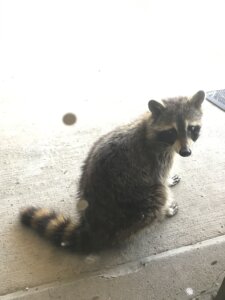
Raccoon kits are another story. These smart and curious babies start to venture away from their mother and siblings during the day. But that doesn’t mean they’re orphaned or in need of human help! Many times, they’re just taking short, exploratory adventures and know exactly how to get back to their parent. Well-meaning people see a small raccoon by itself and end up kidnapping it, thinking it is abandoned, when it was just getting into some young raccoon mischief! Raccoon siblings stay with their mother for up to a year, learning how to be a grown raccoon. Separating the babies from the mother can cause irreparable harm- those babies may be cute, but they grow into strong, opinionated wild animals with specific needs for food, habitat, socialization, and enrichment, and it’s illegal to take in wildlife without specialized permits and the training that goes along with those permits.
Bugs and blooms
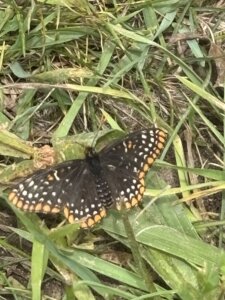
June is also the month when prairies burst into bloom! Early spring was a time of woodland wildflowers taking advantage of the still-leafless tree canopies, but now the meadows and grasslands seem to celebrate the full sun of summer. Look for these multicolored displays- or just listen for the chorus of bees and other insects that are attracted to their nectar and pollen.
Great places for a flower-filled walk include the prairies at Indian Springs, Stony Creek, and Oakwoods Metroparks from now through the hard frosts of October and November. There should be a variety of things blooming and attracting pollinators, birds, and other wildlife, too.
Summer nights
This time of year, when the daylight extends past 9 p.m., is also the perfect time of year to catch an evening show of bats, fireflies, and other nocturnal wildlife! Bats come out as the sunsets and day-flying birds have gone to bed. An important part of our ecosystem, all of Michigan’s 9 species of bats are insectivores, meaning they’re out eating everything from mosquitoes to moths on nights without heavy precipitation or wind. A fungal disease, called white-nose syndrome, has caused dramatic declines in several bat species throughout the Great Lakes and northeastern US, so watching bats swoop through the air is something we should all be celebrating and appreciating, as their numbers have dropped precipitously.
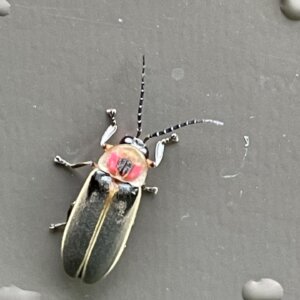
And June evenings set the stage for the first of the season’s fireflies to put on their magical light shows- look for fireflies along forest edges and gardens. Flightless firefly larvae spend up to 2 years in the leaf litter on the ground before emerging as adults, an important reason to leave your leaves in the fall!
Use the warm temperatures, sunny days, and long summer evenings as a reason to get out and explore your Metroparks!
 YOUR ACCOUNT