
 Your Account
 Email Sign-Up
 Buy Annual Pass

Stormwater Solutions: Spring Gardening Plan
4.8.2026
By Stephanie Kozak, Park Interpreter
Spring has sprung, everyone! The first day of spring has officially passed, the weather is getting warmer, spring holidays are upon us, and many of us are feeling that familiar spring fever. Like many of you, my spring fever comes in the form of prepping and planning my gardens. I also begin to notice two things: the leftover leaves and the sheer amount of rain we have in Michigan during the springtime.
In some of our previous blogs, like Transforming Your Yard Into A Winter Habitat and Fall Planting for Year Round Pollinator Gardens, Metroparks Interpreters talk about the many benefits of leaving leaves on our garden beds and dead plant stalks standing throughout the winter. But when spring arrives, we start to wonder…okay…when is the right time to remove some of the leaves and trim back those dead stalks?

Here are a couple of tips for your spring garden cleanup:
- Leave the fall and winter debris until the nighttime temperatures are above 50 degrees for over a week. This helps ensure that most pollinators that overwintered in dead leaves and herbaceous stalks have emerged.
- Cut your herbaceous stalks down, but leave some of the dead stalk intact – between 1 foot and knee height. This provides an ideal habitat for pollinators to overwinter again next fall.
- Leave your cut stalks and other garden debris in the garden bed, as this provides habitat for several pollinator species.
- If you can’t do this, try to find a spot in your green space where you can pile the debris and let it decompose naturally. Do you have a shrub you can pile them under? Or a space behind your garage or shed that might work?
Every spring, I look forward to watching the April showers bring May flowers. One thing I also (a bit more anxiously) anticipate is those April showers bringing polluted stormwater. This excess rain or snowmelt picks up sediment, litter, pesticides, oil, gas, and more as it flows off hard surfaces like lawns, driveways, and roads into our local waterways. Each spring, I watch as rain rushes out of my gutter, across my lawn, onto my sidewalk and driveway, and into my street. From there, it heads into the storm drain and straight into the Huron River. Here is a blog that highlights the impacts of stormwater: Spring Rain, Snowmelt, and Stormwater At Home.
As I plan my spring gardening tasks, I think about stormwater and how I could help reduce its impact. Here are some ideas I’m planning to implement on my property this year:
Install a Rain Barrel:
Rain barrels collect water directly from your downspout.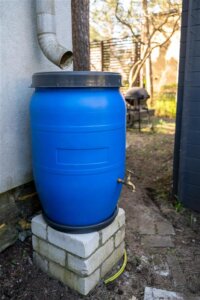 You can use this water on your plants instead of tap water – saving money and reducing stormwater runoff leaving your property.
Reduce Lawn Space and Expand Garden Beds:
Did you know that most grass species used in Michigan lawns have root systems that only reach about 2 – 6 inches deep? These shallow roots aren’t able to absorb and infiltrate the large amounts of spring rain we receive. Reducing lawn area and expanding garden beds can help manage water more effectively.
Plant Native Plants:
When you are planting this spring, consider moving away from cultivated species found in big-box garden stores and lean into Michigan native plants. The benefits are endless:
- They require less water. Native plants have deep root systems – anywhere from 5 to 15 feet deep. These deep roots help reduce erosion and improve water absorption. They can handle both heavy rainfall and long dry periods.
- They remove carbon from the air and help reduce air pollution.
- They provide food and habitat for local birds, bees, butterflies, and moths.
- They add unique beauty to your green spaces.
Note: Wondering where to find these native plants for your garden? Good news! The Metroparks are hosting several Native Plant Sales and Native Plant Swaps at different Metropark locations and local libraries. Check the Metroparks Climate Classroom page for upcoming dates!
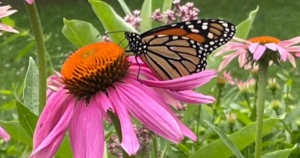
- Install a rain garden: Rain gardens are small, shallow, sunken gardens made up of native plantings that collect stormwater runoff from roofs, lawns, streets, and sidewalks. They hold water and allow it to slowly filter into the ground. The Metroparks host several Intro to Rain Gardens programs around southeast Michigan. Join us at one to learn more! We also offer a more extensive Master Rain Gardener 5-week certification course. You can find the information about both programs on the Metroparks Climate Classroom: Metroparks Climate Classroom
Resources:
https://www.fs.usda.gov/wildflowers/Native_Plant_Materials/Native_Gardening/
 YOUR ACCOUNT