
 Your Account
 Email Sign-Up
 Buy Annual Pass

Spring into Action? Maybe Just Give Your Garden a Little More Time
3.18.2026
By Erin Parker, Interpretive Services Supervisor
March in Michigan brings a little bit of everything, weatherwise. High winds, unseasonably warm days, lots of snow, even more rain. Those warm days may start you thinking about gardening and lawn care as the first green appears in lawns and gardens everywhere.
But is “false spring” the right time to do these types of chores?
Leave your leaves, even longer
Gardeners and homeowners are starting to understand that leaving fall leaves on the ground, in garden beds and borders, is a fantastic way to preserve pollinators. Leaf litter contains the overwintering stages of a wide variety of insects in the form of adults, larvae, and eggs. Removing those leaves takes all those beneficial insects right off of your property. Leaf litter also provides a layer of insulation against cold, snow, and ice which protects not only life in the leaves but also in the soil layer below.
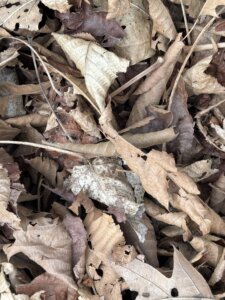
A scientific study, published in the fall of 2025, reviewed the harm that removing autumn leaves from residential yards does to various groups of insects and arthropods in the spring. This study explored the concept of residential lawn as habitat; and the removal of fall leaf litter showed fairly steep declines in spring emergence across most categories of insects. While this might sound fine to many homeowners, these insects are what feed birds and other wildlife and attract nesting songbirds to your yard! The spring hatch-out is a critical piece of backyard habitat.
One helpful thing for gardeners to consider is to continue leaving those leaves. Let them break down into soil where they continue to host insects and protect the soil health as a source of slow-release organic matter. The leaf litter is hosting stages of insect life cycles that many gardeners don’t consider in the design of their pollinator gardens where the focus is on host plants and colorful blooms.
To cut or not to cut?
Pollinator and wildlife gardens can start to look a little bedraggled this time of year. Leaving the seedheads and stems of indigenous blooming plants is an important part of providing winter food and shelter to wildlife. But come spring, the snow and wind have broken and beaten many plants down to the ground and everything is looking gray after the long winter.
A well-known gardening maxim is that gardeners can cut down stems once the temperatures have risen to 50 degrees and remained at least at 50 for a week. But it turns out that there may not have been as much truth to that statement. Gardeners, under the direction of North Carolina State University Extension scientists, explored the practice of cutting stems in all four seasons. Hollow stems are perfect homes and nesting sites for a variety of bees and other insects, and it was believed that leaving them uncut through the winter protected them.
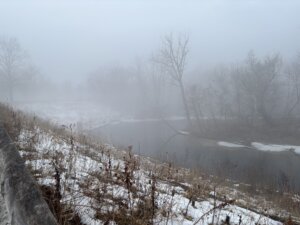
Bees and wasps need access to the hollow centers of the stems. Many do not chew or tunnel in through the outside of the stem but rather look for holes or cut ends that provide access. Therefore, gardens with standing dead stems and cut stems that are left to remain standing provided the most habitat for these important garden dwellers.
But the researchers found that cutting some of them in the fall, especially to a variety of heights (between 12-24 inches) didn’t harm the number of overwintering bees. The insects needed access to the cut ends of the stalks to overwinter. This study particularly focused on perennial plants or those that come back year after year while dying back in the winter. The researchers found higher occupancy by bees and wasps in the dead stalks that had been left standing for two years, while new growth flourished around the old stalks, and in the cut ends of first year stalks. Basically, cutting first year growth in the fall didn’t harm the insects (although it would reduce seeds for other overwintering wildlife). But spring clean up probably isn’t impacting many overwintering insects unless the stalks are two years old or were cut in the fall or winter. In these cases, waiting for consistently warm weather before removing the stems probably does make a difference.
Adopt a drain or two
One place that might need a little action this time of year is storm drains! With the rush of snow melt followed by heavy spring rains, storm drains might need a little help to do their job properly. Collecting all trash and recyclables from the drains and then raking leaves and sediment out of them can help keep streets, driveways, and yards from flooding as water pools on the outside of blocked drains. This can be especially helpful during March’s freeze-thaw cycles, where standing water becomes a block of ice overnight when temperatures plummet!
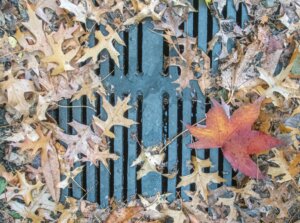
This is also a great time of year to watch the water in your yard, school grounds, and community. Where does it flow? What areas routinely flood or have standing water? These might be places that would be ideal for a rain garden or other natural solution to help soak up water and slow the flow during heavy precipitation events.
Get out there and enjoy those warm and sunny days, just don’t be too quick to start your garden chores!
Resources:
For Pollinators’ sakes, don’t spring into garden clean-up too soon
Garden Cleanup for Perennials: Trim Stems their First Winter
 YOUR ACCOUNT