
 Your Account
 Email Sign-Up
 Buy Annual Pass

Stormwater Solutions: Friendly Fall Landscaping
9.23.26
By Stephanie Kozak, Park Interpreter
As we head into the fall season, we start thinking about garden clean-up and preparing the outside of our homes for the upcoming winter months.
As we transition into our fall cleanup phase, fall can also be a great time to assess your garden beds for any holes or spots where you could add a new plant. Fall is an ideal time to plant trees, shrubs, and perennials. The warm soil and cool air help roots grow strong before winter and minimize unwanted weeds.
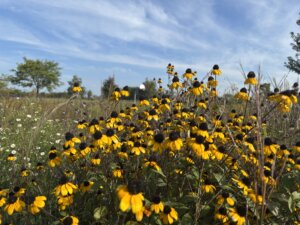
Native trees, shrubs, and perennials help reduce stormwater runoff by collecting the water with their deep roots and guiding it into the ground. This can help prevent pollutants from entering our waterways and reduce erosion in your yard. If planted at strategic locations around your green space, they can collect the water from fall rains and winter snow before it reaches paved areas, helping to reduce icy ponding spots in the wintertime.
Here are tips for fall planting:
When to plant:
Plant 6 weeks before the ground freezes. In Michigan, the ground usually freezes from the end of December to the beginning of January. It would be best to get your plants in the ground by mid-November. To be extra safe, the general rule of thumb is to try to get your plants in the ground by the first frost dates. For Detroit, MI, the average date for the first fall frost is October 24th. So, it’s safe to say that if you get your plants in the ground no later than the end of October, they should be well established before winter. You can check your area’s average first frost date by ZIP code using The Old Farmer’s Almanac here: https://www.almanac.com/gardening/frostdates/MI
Watering:
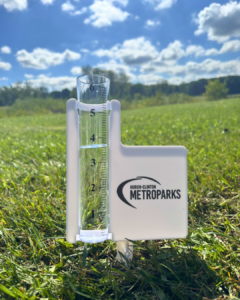
Don’t skip watering your plants in the fall. While it may seem that when fall arrives, our water obligations are met, plants still need our support. During the summer, they use their resources to support their leaves and flowers, but in the fall, their resources shift toward strengthening their roots to survive the cold winter. Be sure to water your shrubs, trees, perennials, and, specifically, any new plantings or plants you added to your garden this year. If consistent rain isn’t doing the watering for you, you’ll want to continue watering about once a week until the ground freezes.
Mulching:
Add mulch around new plants. If you’re putting in new plants this fall, be sure to mulch around the base of the plant, leaving about an inch of open space around the stem. Mulch provides insulation for the plant, helping encourage root growth and protect it from dipping temperatures. Even established plants can benefit from some added mulch for the same reason. For your established plants you could mulch your leaves and use them as added insulation for your plants this winter. In the fall, mulching doesn’t need to happen right after planting, you can wait until nighttime temperatures are around freezing. To note: If you use organic fertilizer, there is no to apply it until spring. However, adding a bit of compost to your new plants certainly doesn’t hurt.
New Growth:
Don’t expect much new growth in the fall. Any new fall plantings typically won’t start sprouting new growth until spring. They are spending most of their energy growing roots to prepare for the winter. Get ready to see some beautiful growth in the spring, planting in the fall can increase flower production in the spring.
Planting in the fall makes sense for a lot of reasons- warm soil, rainy weather, and time to establish before the ground freezes for the winter. But plants like prairie dropseeds won’t show a lot of new, above-ground growth until the next year!
Suggestions for fall plantings:
- Shrubs: Red-Osier Dogwood, Oak Leaf Hydrangea, Witch Hazel
- Trees: Crapapple, Eastern Redbud, Sycamore, Silver Maple
- Perennials: Black-eyed susan, Wild Bergamot, Purple Coneflower, Wild Columbine, Prairie Dropseed, Little Bluestem
Resources for you:
To find a native plant that works for your space, I suggest using these Native Plant search tools: Audubon Native Plants and Homegrown National Park Keystone Plants
There are many greenhouses in southeast Michigan that sell native plants. Here are two that you could visit: Michiganense Natives and Willow Greenhouse
To learn how to be stormwater smart about your fall cleanup, check out these past blogs: Fall Leaves and Stormwater: Managing the Season Mindfully and Transforming Your Yard into a Winter Habitat: The Benefits of Mindful Fall Cleanup
Resources:
https://extension.illinois.edu/news-releases/plant-native-perennials-fall-healthy-spring-growth
https://www.provenwinners.com/learn/fall/fall-watering
https://www.provenwinners.com/learn/planting/why-plant-fall
https://hort.extension.wisc.edu/articles/tree-species-for-fall-planting/
 YOUR ACCOUNT