
 Your Account
 Email Sign-Up
 Buy Annual Pass

Threatened and Endangered Species in the Metroparks
6.17.2026
By Erin Parker
Your Metroparks provide more than 25,000 acres of green and blue space for a variety of outdoor pursuits and just the pleasure of being outdoors. Many of these same acres are critical habitat for wildlife, from insects to mammals. And as the southeast region of Michigan continues to grow with human development, the Metroparks help provide protected space for some of Michigan’s rarest plants and animals.
Threats to wildlife and plants
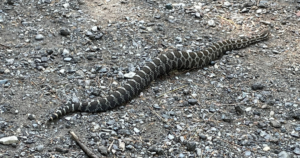
Species from orchids to freshwater mussels can be considered at risk of extinction, or the permanent loss of the species, to threatened, where that risk is elevated but not immediate, or of special concern, where trends indicate that the species is no longer flourishing or abundant. These classifications can be at the state level, the federal level, or both.
Threats to species that may lead them to a protected classification can vary from habitat loss to disease to pollution or changes in a waterway. Some species have extremely long life cycles that lead to naturally lower levels of reproduction, others require extremely specific habitats or host plants that can keep their populations small and isolated, while others have large habitat requirements for individual animals that keep their numbers low.
The Metroparks, along with other green and blue habitats along the Huron and Clinton waterways, provide refuge and habitat for several of Michigan’s threatened and species of concern. Reducing pesticide use and increasing no-mow zones to increase filtration by plants of stormwater runoff and green infrastructure projects that increase our softened shorelines are some of the actions that the Metroparks take that contribute to healthier aquatic ecosystems.
Success stories
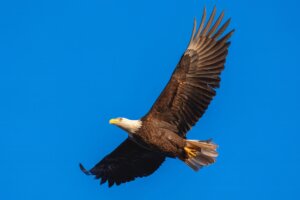
Michigan was considered one of the major success stories in the recovery of bald eagle populations. There are now bald eagles nesting in and near almost every Metropark, where they feed their young a diet of fish, turtles, birds (especially ducks), and even carrion or roadkill. The population has grown from near extinction across the state, with only 52 breeding pairs recorded in 1961, to more than 900 in 2023.
Keeping waterways clean and reducing chemical use have both contributed to the increased eagle population, though new threats include extreme weather events impacting their nesting seasons.
Bald eagles can be observed in most Metroparks now, with active nests most years in several parks, including one easily observed from the paved pedestrian pathway at the entrance of Lake St Clair Metropark.
Conservation and monitoring
The best thing that anyone can do to protect threatened or endangered wildlife is observe it from a safe distance! A variety of apps and resources exist to alert scientists to the presence of an unusual species. This can help make sure organisms remain protected, but can also help people understand new populations. The exact locations of state or federally
listed plants and animals are often obscured in public-facing apps so that they remain protected. This can also be useful when thinking about more common animals during more sensitive times in their life cycle, such as roosting owls in the winter or nesting birds at any time. While they can be exciting to observe in the wild, too many people at one time or place can start to cause disruptions to the animal or trample the very habitat they require to thrive.
Utilizing free apps such as iNaturalist and Merlin can help park users recognize species and safely contribute to community science at the same time. Both apps allow users to upload their observations to the broader science community. The Michigan Herp Atlas also tracks reptile and amphibian populations through photos and information submitted by the general public.
Along with monitoring and safe observations, park visitors can help protect our wildlife by slowing down and watching for basking reptiles on the roads, making sure trash is collected and disposed of properly, and staying on trails and obeying signage around feeding and otherwise interacting with wildlife in a way that might cause harm.
Your Metroparks provide a home base for your adventures and habitat for a diversity of wildlife, too!
Resources for more reading
Federal money to help Michigan begin slow work of rare turtle counts
 YOUR ACCOUNT