
 Your Account
 Email Sign-Up
 Buy Annual Pass

Habitats of Southeast Michigan: Prairies
2.12.2026
By Abby Lauer, Park Interpreter
If you have had the pleasure of growing up in the Midwest, you probably have heard the term prairie before. You might associate prairies with rolling meadows or areas of rural land and agriculture. Instead, prairies are simply habitats that are composed of unique types of grasses and native plants. They are known for having complex soil systems that promote rich root structures where water can be filtered. Different types of prairies depend on soil type, vegetation, location, and moisture conditions.
Fire
Prairies depend on fire to survive. In the past, fire occurred naturally through lightning strikes and by humans. Indigenous cultures in the Great Lakes region have traditionally used fires because they also recognize that fires improved habitats for game species that would be attracted to the fresh, young grasses versus the dry, dead plant matter from prior years’ growth. The absence of fire can cause issues with plant diversity and species variety. In the past, there was a natural fire cycle. That no longer occurs due to human activity and development. In the past, Michigan prairies were more common but today there’s less than 1% of our historic prairies left. Land managers use controlled prescribed burns to help promote grasses and native wildflowers to grow, enhance soil health, and remove invasive species. Prescribed burns usually occur in the spring, early summer, or late fall depending on weather patterns. Parks will have signage and advanced notice for visitors who are visiting prairies during this time to ensure everyone’s safety.
Wildlife depends on prairies
Many different types of wildlife depend on prairies for survival including mammals, birds, reptiles, insects, and plants. The main structure of a prairie starts with the plants and common grasses that define the habitat. The key plants and grasses that originate in prairies are black eyed Susan, goldenrod, lupine, foxtail, a variety of asters and prairie grasses like big bluestem, little bluestem, and switchgrass that support insects. Unfortunately, when there is an open grassland area it is vulnerable for non-indigenous and aggressive woody species like cottonwood to spread. Some of the invasive plants that are found in prairies are spotted knapweed, autumn olive, and crown vetch.
Where to find Prairies in the Metroparks?
In the Metroparks, you can find a wide variety of prairies.
- At Dexter-Huron Metropark, take a walk past the picnic shelters and across the bridge to the Oxbow Prairie next to Title XI Plaza. Here you can spot the trace of a past prescribed burn from last fall. Take a picture using the Chronolog station to help document the scene over time by uploading to Chronolog, a photo monitoring tool powered by people like you.
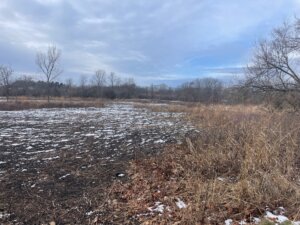
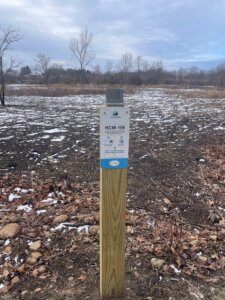
- At Willow Metropark, check out the Big Bend prairie. This prairie was planted in 2023. The Big Bend area of Willow Metropark is also home to a Chronolog station. Here you can capture moments in time and seasonal changes with the habitat.
- If you live near Oakwoods Metropark follow the nature trail near Cedar Knoll by the nature study area for their prairie. Enjoy this butterfly viewing area and adjacent tall grass prairie. Check out big blue stem, little blue stem, and Indian grasses that inhabit that area.
- While you are biking the Border to Border (B2B) trail at Hudson Mills Metropark, check out the grasslands on the west side of the river along the B2B trail.
- As you take a stroll along the hike/ bike trail at Kensington Metropark, you can spot an area dominated by grasses and flowers and enjoy the grassland adjacent to the Milford entrance of the park.
- At Indian Springs Metropark head to the Environmental Discovery Center (EDC). Just outside the doors of the EDC is a prairie. The EDC features 60 acres of restored native prairie ecosystems within the 2500-acre park.
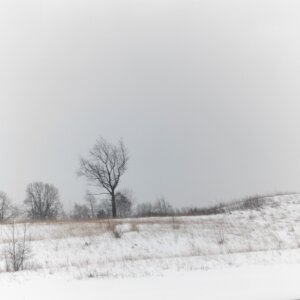
- If you are near the Habitat Trail at Stony Creek Metropark between the trail and Inwood Road, you will find large grasslands west of the nature center.
- Explore the sheep, goats, chickens, geese, horses and dairy cows while learning Michigan’s agricultural heritage at Wolcott Mill Metropark. You can bring your own horse too if you want to explore our equestrian trails. South of Camp Rotary check out grasslands accessible via the equestrian trail.
- Be sure to check out the prairie at Lake Erie Metropark. You can find it by parking at the Marshlands Museum and walking south along the hike/bike path towards the Great Wave Pool. Or you can park in the north corner of the pool parking lot (by the American Lotus Picnic Shelter and baseball diamond) and walk a hundred yards across the mowed field to the east. Like any prairie, flowers in bloom will change as the season progresses. Highlights include Big Blue Stem, Cardinal Flower, Sneezeweed, Ironweed, and New England Aster.
Prairies are very important habitats; they provide homes for native plants and animals. You can support prairies by visiting your local Metroparks or even planting prairie plants or wildflower gardens at your home!
Resources:
https://mnfi.anr.msu.edu/communities/prairie-group
O’Connor, R. P., Kost, M. A., & Cohen, J. G. (2009). Prairies and savannas in Michigan: rediscovering our natural heritage. Michigan State University Press.
Williams, D. (2016). The prairie in seed: identifying seed-bearing prairie plants in the upper Midwest. University of Iowa Press
 YOUR ACCOUNT